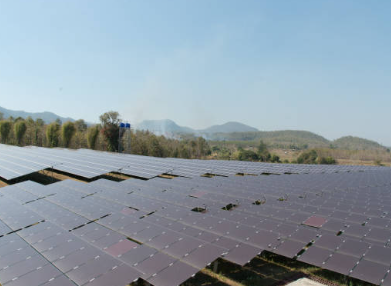

Synchronizing Diesel Generators, PV Solar, and Battery Storage for Reliable and Cost-Efficient Power
In today’s energy landscape, businesses, utilities, and off-grid communities are looking for solutions that are not only reliable, but also clean and economically sustainable. Hybrid power systems that combine diesel generators, solar photovoltaic (PV) power, and battery energy storage systems (BESS) offer a powerful way to meet these needs.
However, making all three components work together in harmony—without power interruptions or energy waste—requires advanced synchronization, intelligent controls, and proper energy prioritization.
Let’s explore how these systems work, how they ensure seamless power delivery, and how they can reduce the overall cost of energy.
What Synchronization Means in Hybrid Power Systems
Synchronization refers to the process of ensuring that multiple power sources—diesel gensets, solar inverters, and battery inverters—operate in parallel, with matching:
- Voltage
- Frequency
- Phase angle
- Power quality (harmonics, PF, etc.)
Proper synchronization ensures that when these sources are connected to a common load or mini-grid, power flows smoothly, without flickers, trips, or backfeed.
How Hybrid Synchronization Works
Here’s how a well-synchronized hybrid power system typically operates:
1. PV Solar: First Priority
- During daylight hours, solar is prioritized because it is free fuel.
- The Energy Management System (EMS) ensures solar covers the base load as much as possible.
- If solar generates more than the load, the excess energy is directed to charge the batteries.
2. Battery Storage: Second Line of Support
- When solar output drops (e.g. clouds, sunset), battery storage kicks in to supply power and stabilize the system.
- Batteries help smooth load fluctuations, reduce generator cycling, and avoid starting gensets for small loads.
- In some systems, batteries also support peak shaving or grid-forming roles.
3. Diesel Generators: Backup and Stability Provider
- Diesel gensets are used only when solar and battery are insufficient, such as:
- During prolonged cloudy weather
- At night, if batteries are depleted
- When load exceeds inverter or battery capabilities
- Generators also help stabilize voltage and frequency, especially in weak grids or islanded systems.
4. Seamless Transition Between Sources
- A hybrid controller or EMS coordinates transitions between solar, battery, and diesel:
- For example, when solar fades, the battery discharges automatically with no flicker.
- When the battery reaches minimum SOC, the genset starts automatically.
- When solar resumes, gensets shut down and batteries recharge.
All transitions happen in milliseconds, ensuring no disruption to critical loads.
Role of Hybrid Controllers and Energy Management Systems
Controllers like ComAp InteliGen/Hybrid, SMA Hybrid Controllers, or DSE8610/8620 + battery add-ons make this possible by:
- Monitoring load demand, PV output, battery SOC, and genset status in real time
- Prioritizing renewables and minimizing diesel runtime
- Synchronizing gensets with inverters for parallel operation
- Managing charging/discharging schedules
- Ensuring load sharing, black start, and islanding capability where needed
These systems use algorithms to decide the most economical and reliable source at any moment—always preferring solar first, battery second, and diesel last.
Prioritizing Renewables to Reduce Cost of Energy (COE)
The ultimate goal is to reduce the cost per kilowatt-hour delivered. Prioritizing solar and battery achieves this in several ways:
| Action | Impact on COE |
|---|---|
| Use solar during the day | Reduces diesel fuel consumption significantly |
| Store excess solar in batteries | Supplies evening load without running gensets |
| Avoid diesel underloading | Increases generator efficiency, lowers maintenance |
| Reduce genset runtime | Saves on fuel, oil, filters, and engine hours |
| Intelligent dispatch | Matches supply with demand optimally |
| Remote monitoring | Enables proactive maintenance and efficiency tracking |
In practice, fuel consumption can be cut by 40–70%, depending on the solar and battery sizes. This translates to lower operating costs and a shorter payback period on the hybrid system investment.
Real-World Example: Off-Grid Industrial Site
Imagine a mining site running 24/7 on diesel generators. By adding solar and a battery bank:
- Solar powers equipment during the day
- Battery provides overnight supply and handles spikes
- Diesel only runs when solar and battery fall short
In one year, the site reduces diesel usage by 60%, extends generator service life, and saves thousands of dollars in fuel and maintenance.
System Architecture
Here’s how the hybrid setup typically looks:
- The Hybrid Controller orchestrates all power flows.
- Priority logic ensures solar is always used first.
- Synchronization ensures stable, flicker-free transitions between sources.
Key Takeaways
- Synchronizing diesel, solar, and battery systems requires smart controllers and real-time energy management.
- Solar is prioritized because it has zero marginal cost.
- Battery storage acts as a buffer, bridging gaps and reducing genset runtime.
- Diesel is used as backup, improving reliability during low renewable periods.
- This setup ensures seamless transitions, higher power quality, and a much lower cost of energy.
Final Thought
Hybrid power systems are the future of resilient, low-carbon energy. By smartly synchronizing diesel, solar, and batteries, it is possible to create systems that are not only clean and reliable—but also highly economical.
Whether powering a factory, a telecom tower, or an entire off-grid village, this approach helps bridge the gap between traditional and renewable energy—without compromising reliability.