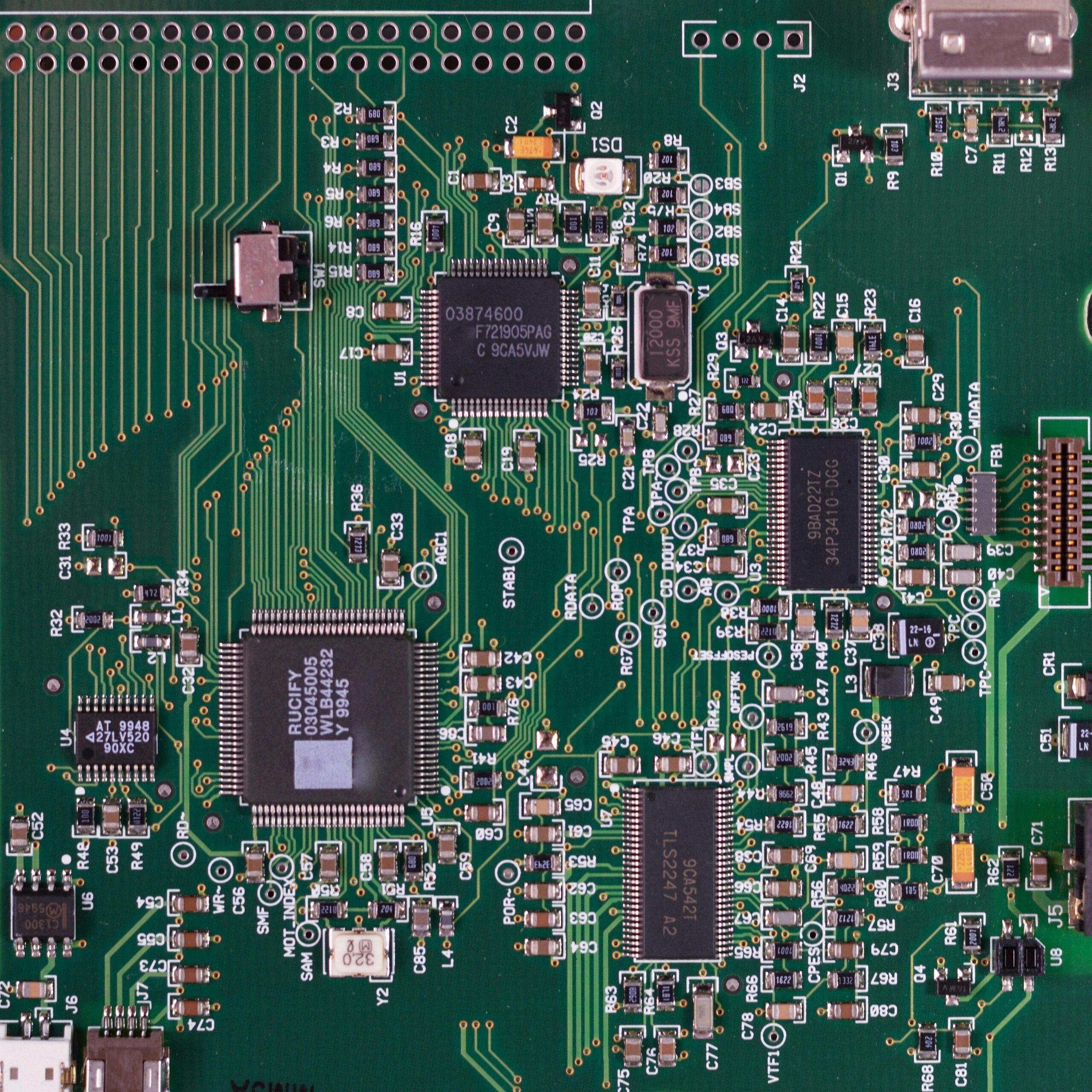

A Practical Guide to PLCs, Their Types, Programming, and Role in the Energy Sector
In today’s industrial and energy environments, automation is no longer a luxury—it’s a necessity. Whether it’s managing a substation, automating a diesel generator startup, or optimizing solar-battery integration, Programmable Logic Controllers (PLCs) play a key role.
So, what exactly is a PLC, and how is it used in the energy industry? Let's break it down.
What is a PLC?
A Programmable Logic Controller (PLC) is a rugged, industrial-grade computer used for monitoring inputs, making decisions based on programmed logic, and controlling outputs to automate processes.
Originally developed to replace hard-wired relay systems, PLCs offer flexibility, reliability, and programmability, making them the backbone of industrial automation.
Types of PLCs
PLCs come in various configurations depending on application complexity, I/O (input/output) needs, and environment.
| Type of PLC | Description | Common Use |
|---|---|---|
| Compact PLC | Integrated with fixed I/O modules. | Simple applications (e.g., pump control, genset auto start). |
| Modular PLC | Flexible I/O configuration, scalable. | Substations, process plants, large genset control systems. |
| Rack-Mounted PLC | Central processing unit and I/O modules mounted on a chassis. | Complex and large-scale automation. |
| Safety PLC | Designed with fail-safe architecture. | Critical operations like gas turbine shutdowns or switchgear interlocks. |
| Nano/Micro PLC | Very small, cost-effective. | Basic control tasks in solar inverters, remote switches. |
The IEC 61131-3 standard defines five programming languages for PLCs. Each has its strength depending on the programmer’s preference and task complexity.
| Language | Description | Use Case Example |
|---|---|---|
| Ladder Diagram (LD) | Graphical, resembles electrical relay logic. | Diesel generator interlock logic. |
| Function Block Diagram (FBD) | Graphical, uses blocks for functions. | Power factor correction control. |
| Structured Text (ST) | High-level, Pascal-like code. | Complex mathematical algorithms or energy forecasting. |
| Instruction List (IL) | Low-level, assembly-style (now deprecated). | Rarely used today. |
| Sequential Function Chart (SFC) | Flowchart-like, step transitions. | Load shedding or startup sequence management. |
Uses of PLCs in the Energy Sector
| Application | Description | Benefits of PLC Automation | Alternative (Non-Automated) Action |
|---|---|---|---|
| Diesel Generator Start/Stop Logic | Automates engine operation, safety checks, fuel monitoring. | Ensures timely response, reduces human error. | Manual operator intervention—delayed and prone to mistakes. |
| Load Shedding/Load Sharing | Controls which loads to disconnect or prioritize. | Prevents blackouts, protects generators. | Risk of overload and system collapse. |
| Switchgear Control | Remote breaker operation, interlocking, protection logic. | Increases safety, reduces downtime. | Manual switching—dangerous and slow. |
| Battery Storage Control | Manages charging/discharging cycles. | Extends battery life, maximizes efficiency. | Inefficient charging leads to reduced lifespan. |
| Solar Inverter Integration | Coordinates PV production, synchronizes with grid or gensets. | Maximizes renewable energy usage. | Poor optimization leads to underutilization. |
| Substation Automation | Supervisory control, fault detection, recloser automation. | Faster fault isolation, remote control. | Manual inspection—slower fault recovery. |
PLC Functional Blocks & Real-Life Examples
Function blocks are prebuilt software elements that perform specific tasks. They allow reusability and simplify logic development.
| Functional Block | Description | Real-Life Energy Example |
|---|---|---|
| Timer (TON, TOF, TP) | Delays, holds, or pulses outputs. | Delay generator startup after utility failure (TON). |
| Counter (CTU, CTD) | Count up/down events. | Count number of generator start cycles for maintenance scheduling. |
| Comparator | Compares values (greater than, equal, etc.). | Compare grid voltage to safe limits before reconnecting solar inverter. |
| Math Functions | Addition, subtraction, average, etc. | Calculate load demand and decide when to start standby genset. |
| Logic Gates (AND, OR, NOT) | Combine conditions. | Run breaker only if all safety interlocks are satisfied. |
| PID Controller | Maintains a set value by adjusting outputs. | Regulate generator engine speed for stable frequency. |
| Edge Detectors | Detect rising/falling signal changes. | Trigger an alert when utility power returns. |
Benefits of Using PLCs in Energy Automation
- Reliability: Rugged hardware can withstand harsh environments.
- Speed: Real-time processing enables immediate decision-making.
- Intelligence: Supports complex logic, condition monitoring, and data analysis.
- Efficiency: Reduces fuel and operational costs by enabling smarter energy use.
- Remote Access: Integrates with SCADA or cloud systems for monitoring and control.
Conclusion
PLCs are central to modern energy automation—bringing precision, intelligence, and safety to systems ranging from a single diesel generator to an entire substation. Whether you’re managing power continuity, reducing fuel usage, or ensuring seamless renewable integration, PLCs offer unmatched flexibility and control.
As energy systems become more complex and decentralized, embracing automation through PLCs is not just smart—it’s essential.