
An Uninterruptible Power Supply (UPS) is a vital component of modern power resilience strategies. It provides instant backup power during outages or voltage disturbances, ensuring continuous operation of critical systems. However, its effectiveness and limitations vary by industry. Let’s explore how UPS systems perform across key sectors:
1. Data Centres
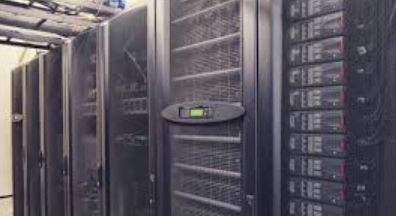
In data centres, uninterrupted power is not just a convenience—it’s a necessity. UPS systems play a frontline role by providing instantaneous backup during power loss, preventing server reboots and maintaining the integrity of hosted services. They also act as a buffer during the few seconds it takes for generators to come online. Moreover, UPS systems protect against data corruption and provide the critical window needed for a safe shutdown in the event of prolonged outages.
However, the drawbacks include the high cost of deploying large-scale UPS banks and the need for constant cooling, as batteries are sensitive to temperature. Additionally, UPS runtime is typically short unless integrated with backup generators, which limits their ability to support long-duration power failures on their own.
2. Hospitals and Healthcare Facilities
In healthcare environments, UPS systems can be the difference between life and death. They ensure uninterrupted operation of critical equipment such as ventilators, defibrillators, and surgical lighting. They also maintain continuity of electronic health records, diagnostics, and communication systems. UPS systems provide essential time for backup generators to start or for staff to manually intervene, which is particularly crucial in operating theatres and intensive care units.
Despite their importance, UPS systems in hospitals must be vigilantly maintained. A silent battery failure could result in catastrophic consequences. Additionally, managing distributed UPS units across various wards and equipment zones increases complexity. Without a robust monitoring system and regular testing, the reliability of hospital UPS systems can be compromised.
3. Telecommunications
The telecommunications sector relies heavily on power stability to maintain voice and data services. UPS systems are essential in base stations, network nodes, and control centres, where they provide backup power for switching equipment, servers, and communication gear. This ensures continuous service during grid failures and bridges the gap until a generator can take over.
That said, UPS deployment in telecom infrastructure faces logistical challenges. Many base stations are in remote or elevated locations where space, ventilation, and battery maintenance are difficult. High temperatures and limited physical space can reduce battery lifespan and performance. Moreover, in remote areas with extended outages, UPS systems alone cannot sustain operation, making integration with automated generators essential.
4. Manufacturing and Industrial Facilities
In manufacturing, power outages can bring production lines to a standstill, leading to equipment damage, material waste, and missed deadlines. UPS systems help prevent sudden shutdowns of automation equipment and PLCs (programmable logic controllers), allowing processes to pause safely or resume without loss of product integrity. In industries like food processing or automotive manufacturing, even a few seconds of lost time can translate into significant financial loss.
However, supporting entire production lines with UPS power is often impractical due to the massive power requirements. While UPS systems are excellent for protecting control systems and sensors, they are usually not sufficient to run high-power equipment or motors. Additionally, industrial environments often produce electrical noise and harmonics that can interfere with UPS performance unless special filters are used.
5. Oil and Gas Sector
In the oil and gas industry, power is critical to maintain monitoring systems, safety controls, and continuous operations of pipelines, pumps, and drilling equipment. UPS systems help ensure real-time data acquisition and control through SCADA systems and Remote Terminal Units (RTUs). They provide vital support during blackouts, allowing for controlled shutdowns or maintaining critical communications.
However, harsh environmental conditions—such as offshore platforms, desert drilling rigs, or flammable zones—can limit the deployment of conventional UPS systems. Batteries can degrade quickly under extreme temperatures, and installations in hazardous areas may require explosion-proof certifications. Maintenance can also be a challenge due to the remote and rugged nature of many oil and gas sites.
Conclusion
UPS systems are powerful tools for maintaining uptime, protecting equipment, and preserving data across sectors. Their benefits are most pronounced in environments where immediate power continuity is essential. However, UPS systems have limitations in terms of runtime, capacity, and environmental resilience.
To fully protect against power disruptions, especially in mission-critical applications, UPS systems should be integrated with Automatic Transfer Switches (ATS), backup generators, and monitoring platforms. This layered approach ensures both short-term continuity and long-term reliability, tailored to the unique challenges of each sector.