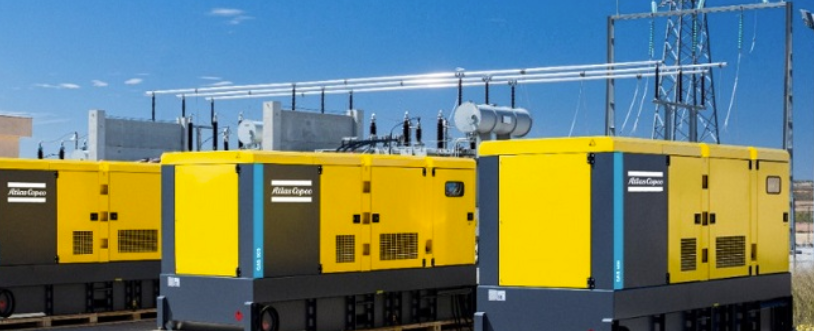

Diesel generating sets (gensets) are among the most commonly used sources of backup or prime power across the globe. They provide a reliable, fast-response solution for power generation in both grid-connected and off-grid environments. However, like any technology, they come with both advantages and disadvantages.
Here is a comprehensive discussion of the merits and demerits of diesel generating sets:
Here is a comprehensive discussion of the merits and demerits of diesel generating sets:
✅ Merits of Diesel Generating Sets
1. High Reliability
Diesel gensets are known for their robustness and ability to operate for long durations under heavy load conditions. They are widely used in critical applications like hospitals, data centers, and telecom sites due to their dependable performance.
2. Fast Start-Up Time
Diesel engines can start and supply power within 10–20 seconds of a power outage, making them suitable for emergency backup operations.
3. Fuel Efficiency
Diesel engines are more fuel-efficient than gasoline engines, especially under heavy loads. This makes them more cost-effective over time, particularly for prime power or extended-use applications.
4. Long Service Life
With proper maintenance, diesel gensets have a longer operational life than many other backup power sources. Industrial-grade gensets can run for tens of thousands of hours before major overhauls are needed.
5. Scalability
Diesel gensets come in a wide range of sizes, from small residential models (5–10 kVA) to large industrial machines (up to several megawatts), making them suitable for varied applications.
6. Availability of Fuel and Parts
Diesel is widely available, and spare parts for major genset brands are accessible globally, which simplifies procurement and servicing in most regions.
7. Low Maintenance for Small Units
Smaller diesel gensets require relatively simple routine maintenance, such as oil and filter changes, making them user-friendly for small businesses or homes.
❌ Demerits of Diesel Generating Sets
1. Noise Pollution
Diesel generators are typically noisy, especially larger units. Although modern gensets come with acoustic enclosures or silencers, noise levels can still be a concern in urban or residential areas.
2. Air Pollution and Emissions
Diesel engines emit nitrogen oxides (NOx), carbon monoxide (CO), particulate matter (PM), and greenhouse gases (GHG). Meeting stricter emission standards (e.g., EPA Tier 4, Euro Stage V) requires expensive after-treatment systems.
3. Fuel Storage and Safety Risks
Diesel fuel is flammable, requiring safe handling and storage. Poor storage can lead to contamination and microbial growth, which affects engine performance.
4. High Initial Cost
Although operating costs are generally lower than gasoline gensets, initial acquisition and installation costs—especially for larger industrial units—can be substantial.
5. Bulky and Heavy
Diesel gensets are larger and heavier than comparable gas or hybrid units, which can be a limitation in space-constrained or mobile applications.
6. Maintenance and Downtime
While reliable, diesel gensets require regular servicing (oil, filters, injectors, cooling systems). Neglecting maintenance can lead to serious failures.
7. Not Ideal for Low Load Operation
Diesel engines are less efficient and can experience wet stacking (fuel residue buildup) when run for extended periods at low loads, leading to maintenance issues.
⚖️ Summary Table
| Merits | Demerits |
|---|---|
| High reliability | Noise and air pollution |
| Fast start-up time | Requires regular maintenance |
| Fuel-efficient under heavy loads | High initial cost for large units |
| Long service life | Bulky and space-consuming |
| Scalable across power ratings | Emissions regulations compliance challenges |
| Widely available fuel and parts | Unsafe fuel storage if not managed properly |
| Simple maintenance (for small gens) | Wet stacking at low loads |