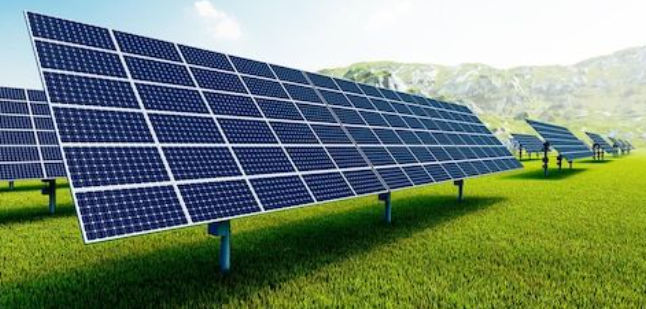

The rise of solar energy has transformed the global energy conversation. Clean, renewable, and increasingly affordable, solar power seems like a perfect solution to the world’s growing electricity needs and the urgent demand for decarbonization. However, despite its immense potential, solar power often faces significant challenges—especially when it comes to integrating large-scale solar plants into national or regional power grids.
In many parts of the world, particularly in developing economies, solar projects are being developed faster than the infrastructure or regulations needed to support them. As a result, numerous solar farms either remain underutilized or face curtailment due to technical and policy barriers. Let’s explore why this is happening.
The Challenge of Weak and Inflexible Grid Infrastructure
One of the biggest obstacles to solar integration is the grid itself. Many national power grids—especially in Sub-Saharan Africa, parts of Asia, and Latin America—are outdated and were originally designed to handle centralized, predictable power generation from fossil-fuel plants. Solar energy, by contrast, is decentralized and variable.
This mismatch creates problems. In areas where solar plants are located far from urban centers, the transmission infrastructure is often too weak or nonexistent to evacuate the power effectively. Even in more developed parts of the grid, there may be congestion during peak solar hours (typically midday), forcing utilities to curtail solar output simply because the grid can’t absorb it.
Dealing with Variability and Intermittency
Solar energy’s greatest limitation is that it depends on the sun—a resource that isn’t always predictable. Cloud cover, dust, and seasonal changes can cause sudden drops in generation. For grid operators, who must balance electricity supply and demand in real time, this variability introduces a layer of uncertainty that can destabilize frequency and voltage levels.
Without ways to predict and manage these fluctuations, solar becomes a risk to the stability of the grid. Utilities often prefer dispatchable sources like diesel or gas plants that can be controlled and ramped up or down on demand. As a result, solar power is sidelined unless other supporting systems are in place.
The Missing Piece: Energy Storage
One of the most effective solutions to solar’s intermittency is energy storage—particularly battery systems that can store excess energy during the day and release it when the sun isn’t shining. Unfortunately, many solar power plants are built without integrated storage, mainly because batteries are still relatively expensive and increase the upfront cost of projects.
Without storage, solar energy is not dispatchable. It cannot be relied upon to meet demand during peak consumption hours, which in many regions occur in the evening when solar output is near zero. This limits solar's usefulness on the grid and reduces its priority during dispatch planning.
Regulatory Gaps and Policy Uncertainty
Even where the technical infrastructure exists, solar developers often run into red tape. Many countries either lack clear grid codes for solar integration or have outdated standards that do not reflect modern renewable technologies. Inconsistent permitting processes, delays in signing power purchase agreements (PPAs), and lack of clarity on wheeling or net metering policies create a hostile environment for investors and developers.
In some cases, utilities themselves are unsure of how to handle solar projects. This creates a feedback loop where uncertainty delays approvals, which in turn discourages more investment in renewable energy.
Poor Forecasting and Communication Infrastructure
A reliable solar integration strategy requires more than just physical infrastructure—it needs smart systems. Grid operators must be able to forecast solar output accurately and communicate in real-time with solar power plants. Unfortunately, many utilities lack the SCADA (Supervisory Control and Data Acquisition) systems and grid automation tools required to manage solar generation effectively.
As a result, they treat solar as an unpredictable input, which makes them less inclined to trust it as part of their core energy supply. This undermines efforts to transition to cleaner energy sources.
Financial Risk and Utility Creditworthiness
Another major barrier is the financial instability of many utilities in developing countries. Even when solar projects are technically ready and compliant with grid codes, utilities may lack the financial capacity to honor their purchase agreements or make timely payments to power producers. This adds revenue risk for investors, making them hesitant to develop new projects or scale up existing ones.
Moreover, utilities already facing operational deficits may be reluctant to take on more variable power sources that require additional balancing costs.
Political and Institutional Resistance
Lastly, the clean energy transition often faces opposition from entrenched interests. Fossil fuel industries may lobby against solar expansion, and governments may be slow to implement reforms due to political risk, legacy contracts, or fear of destabilizing the existing power system. In many regions, vertically integrated utilities still control both generation and distribution, limiting opportunities for independent solar power producers to access the grid.
This lack of market liberalization keeps competition low and hinders innovation in solar integration.
What Needs to Change?
If solar energy is to be truly effective at scale, several interventions are needed:
- Modernize transmission infrastructure: Invest in stronger, smarter grids capable of handling variable inputs.
- Promote energy storage: Encourage battery integration through subsidies or policy support.
- Update grid codes and regulations: Provide clear, modern standards and reduce bureaucratic delays.
- Enhance forecasting tools: Equip utilities with real-time monitoring and AI-based prediction tools.
- Improve utility financial health: Reform tariff systems and ensure utilities can meet payment obligations.
- Encourage competition and open access: Let independent power producers sell directly to the grid or consumers.
Conclusion
The struggle to integrate solar power into the grid is not about the viability of the technology—it’s about the readiness of the ecosystem around it. With the right infrastructure, regulations, and financial frameworks in place, solar can provide reliable, affordable, and clean power at scale.
Until then, even the best-designed solar plants will remain underutilized, held back not by physics or sunlight—but by policy, planning, and inertia.