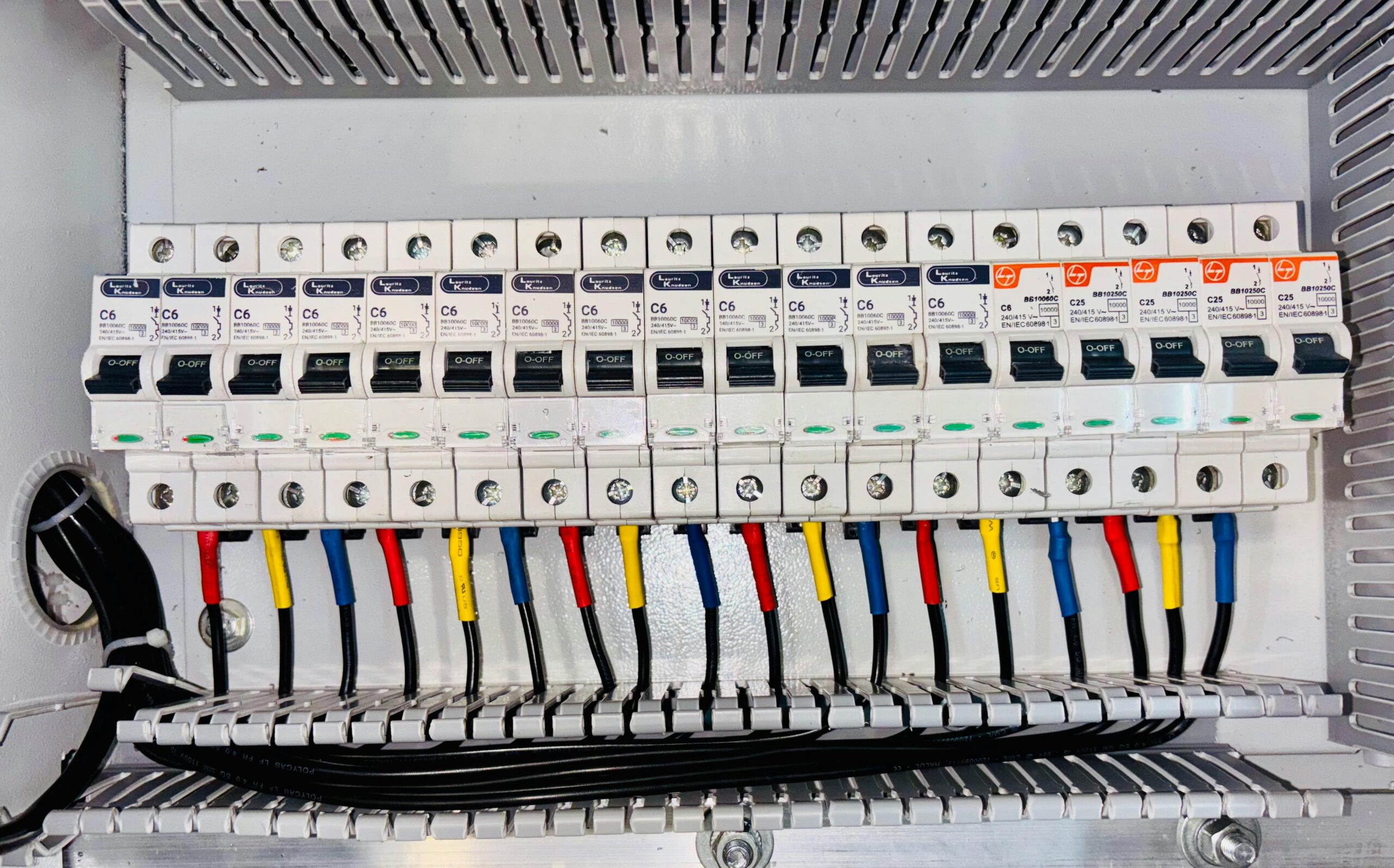

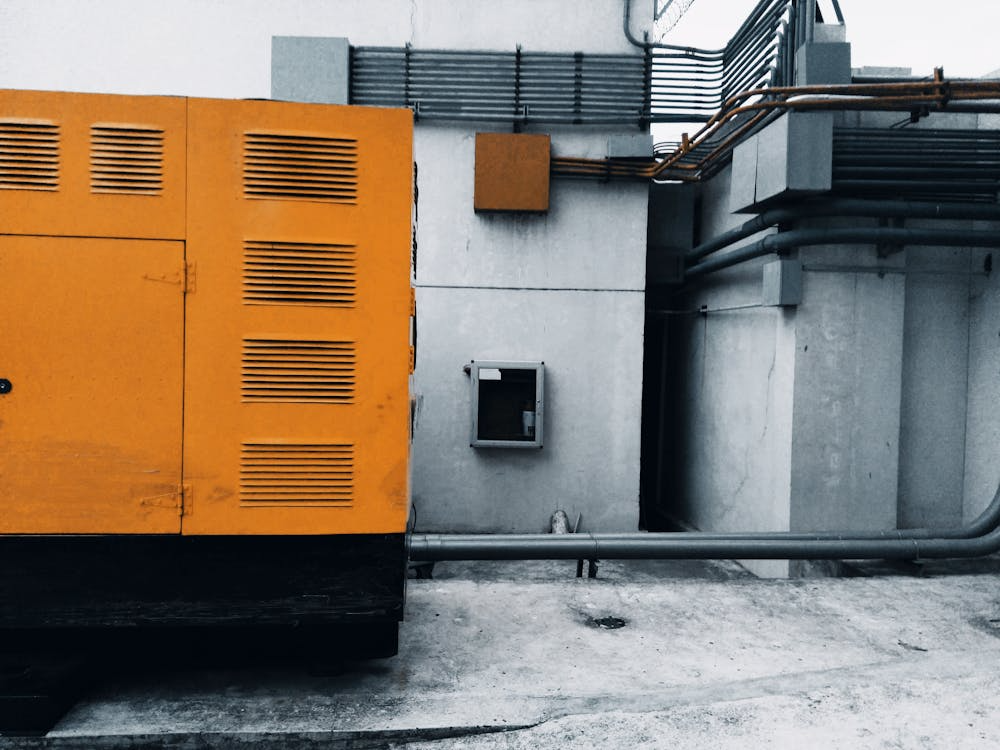
In today’s world where reliable power is essential, an Automatic Transfer Switch (ATS) plays a critical role in maintaining continuity of electrical supply, especially in mission-critical environments such as hospitals, data centers, manufacturing plants, and commercial buildings.
This article explores what an ATS is, the different types of ATS available in the market, factors to consider when selecting one, and real-world examples of ATS controllers in action.
What Is an Automatic Transfer Switch (ATS)?
An Automatic Transfer Switch (ATS) is an intelligent device that automatically transfers the electrical load from the main utility power source to a backup generator or alternative power source when it detects a failure or outage. Once utility power is restored, the ATS seamlessly switches the load back, ensuring minimal disruption.
It automates the power transition, eliminating the need for manual intervention and reducing downtime dramatically.
Types of Automatic Transfer Switches
There are various ATS configurations designed to suit different operational needs, load sensitivities, and transition preferences. Here's an overview of the most common types:
1. Open Transition (Standard ATS)
Also known as "break-before-make", this type momentarily disconnects the load before connecting to the generator. It is the most common and economical.
Use case: Offices, commercial buildings, and light industrial applications where a short power break is acceptable.
2. Closed Transition (Soft Load Transfer Switch)
Also called “make-before-break”, this switch allows a brief overlap between utility and generator power. It reduces power interruption to milliseconds.
Use case: Hospitals, data centers, and critical industrial operations where even the shortest outage is not acceptable.
3. Delayed Transition ATS
This type introduces a deliberate pause between disconnecting from the utility and connecting to the generator. It helps with inductive loads (like motors) that need to come to a complete stop.
Use case: Facilities with motor loads, elevators, or HVAC systems where inrush currents can be problematic.
4. Bypass-Isolation ATS
This setup includes an additional manual switch for maintenance purposes, allowing the ATS to be isolated without disrupting power.
Use case: Hospitals and other facilities that require continuous power during ATS servicing.
5. Static Transfer Switch (STS)
Unlike electromechanical ATS, STS uses solid-state devices like thyristors to switch power almost instantly—within 4 to 6 milliseconds.
Use case: High-tech environments such as data centers and labs that demand ultra-fast switching.
Factors to Consider When Selecting an ATS
Choosing the right ATS is not just about cost—it’s about ensuring system reliability, safety, and longevity. Here are the key factors to keep in mind:
1. Load Type and Sensitivity
- Sensitive electronics or medical equipment may require closed or static transfer.
- Motor loads may need delayed transition to prevent equipment damage.
2. Transfer Time Requirements
- Does your operation tolerate a brief outage, or is continuous power mandatory?
3. Generator Compatibility
- ATS must match the generator’s power capacity and voltage.
- Ensure synchronization capabilities if using closed transition.
4. Control System Requirements
- Intelligent ATS controllers offer features like:
- Remote monitoring
- Event logging
- Load shedding
- Communication with building management systems
5. Maintenance Accessibility
- In critical installations, a bypass isolation ATS enables maintenance without shutting down power.
6. Compliance and Standards
- Ensure the ATS meets local regulations and standards like UL 1008, IEC 60947-6-1, or NFPA 110 depending on your region.
An ATS is a cornerstone of any standby power system. Whether you're managing a small office or a high-reliability data center, selecting the right type of ATS and ensuring it’s equipped with a smart controller is crucial for operational continuity.
When properly selected and installed, an ATS not only protects your assets but also gives you peace of mind during unexpected power events.
Need Help Choosing an ATS?
If you’re unsure which ATS solution suits your application, feel free to reach out for expert advice or request a quote tailored to your operational needs.